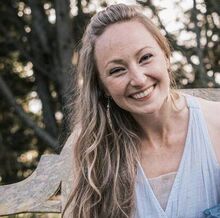
Bio
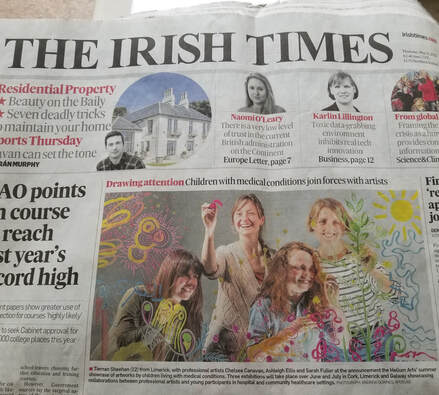
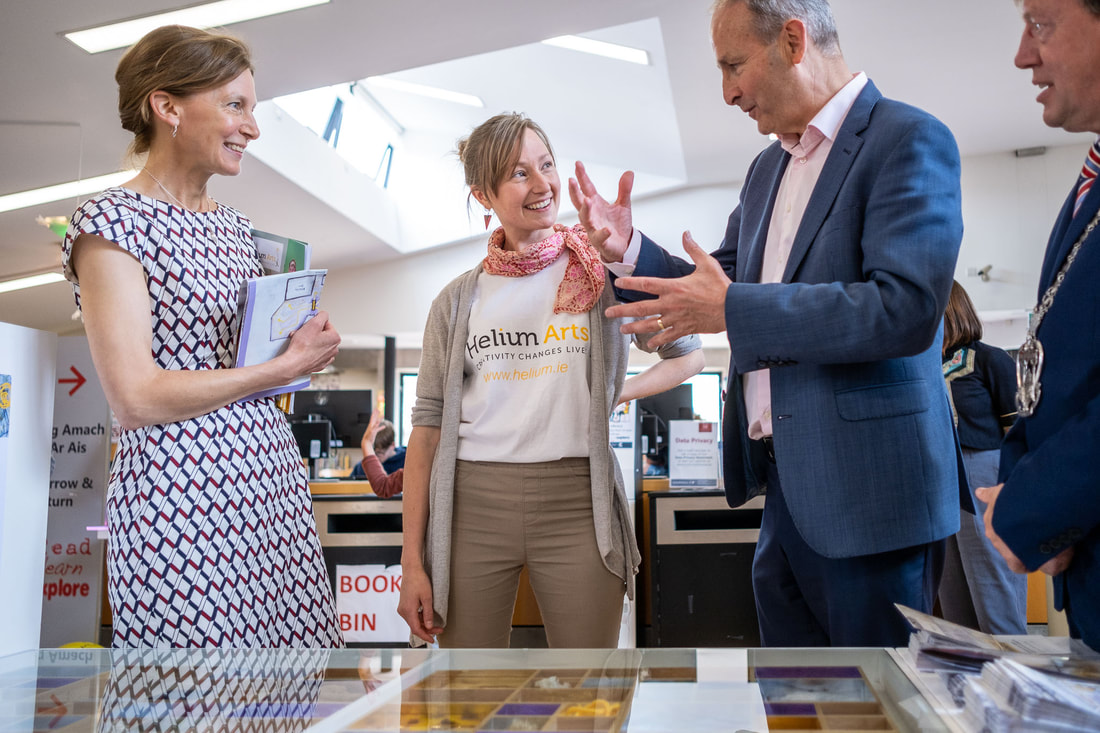
Ashleigh Ellis is an eco-social, multidisciplinary artist based in Cork. Her practice focuses on the overlap between art, ecology and community. She is an expert natural dyer and shares skills in natural dyeing and eco art methods and processes. Promoting reflection within communities to deepen the relationships between people and the more-than-human natural world is of central importance to her work. She developed #TheNaturalDyeProjectCork with communities in the city which involved growing dye plants and sharing skills. Her practice is increasingly collaborative and outcomes often embody encounters, stories, residue of the processes, and multidisciplinary responses such as musical composition and poetry. She also works in arts and health with Helium Arts empowering children living with medical conditions through creative practices and is a committed volunteer with Green Spaces for Health. She is a member of Sample-Studios. Recent awards include the Arts in the Community Scheme generously funded by Create Collaborative Arts, Arts Council Ireland (2021), the Arts in Context Award, generously funded by Cork City Council (2022) and an Arts Participation Bursary Award (2023) generously funded by the Arts Council Ireland.
Ashleigh has a Bachelors Honours Degree in Fine Art and Design from the Crawford College of Art and Design (2011), a Higher Diploma in Art and Design Teaching (2012), earned a Masters in Education from the Open University (2017), and has eleven years’ experience teaching art in established alternative settings, including five years developing curriculum in Brockwood Park School in the U.K.
Ashleigh has a Bachelors Honours Degree in Fine Art and Design from the Crawford College of Art and Design (2011), a Higher Diploma in Art and Design Teaching (2012), earned a Masters in Education from the Open University (2017), and has eleven years’ experience teaching art in established alternative settings, including five years developing curriculum in Brockwood Park School in the U.K.

|
|
|

|
|
|
Statement:
|
I am interested in processes, the materials which we use and how we relate to them. Creating is an active and vital relationship with What Is; with each other, our environment, and what is going on inside of us. It takes awareness and sensitivity to tune in to what a reciprocal relationship with the living beings around us may look like. I am passionate about fostering positive relationships with nature in communities through creative practices so that we value, protect and flourish together. Recently I have been researching and growing dye plants, native and traditional, for creative collaboration with communities (Create, Arts Council Ireland, 2021, Arts in Context, Cork City Council Arts Office, 2022), inviting dialogue, historical research, developing and sharing creative skills with these plants while forming long-lasting relationships between people, plants and place. I develop textile techniques such as natural dying, learning the plants’ chemistry, historical uses and folklore, with the plants leading the way. Outcomes often embody encounters, stories, and residue of the processes, and sometimes multidisciplinary responses such as music. My work investigates a more respectful relationship with the more-than-human world which we depend on, and what kind of world we want to live in and can generate together. At the heart of this work is an ecocentric worldview, an investigation of a more harmonious relationship with the more-than-human world which we depend on. In this time of the anthropocene, it is imperative that we ask; What kind of world do we want to live in and create together? How can we be aware of our birthright as ecological citizens rooted in the fabric of the Earth and respond accordingly?
|